
"coffee wastewater treatment"
110 article(s) found
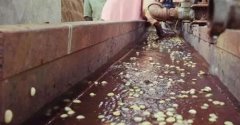
Read the history of Yerga Shefi coffee and why it is so popular
There are many reasons to love African coffee, especially Ethiopian coffee. Ethiopia's coffee industry is steeped in a rich blend of history, tradition and fact with historical fiction. From the story of Kaldi and his ant goat to the pious tone of what coffee lovers call Yirgacheffe, Ethiopian coffee evokes pure coffee romance. Come on, say it. it from

Central America is relatively backward Nicaragua coffee industry boutique coffee beans introduction-Nicaragua beauty
Coffee is Nicaragua's main export product. Nicaragua's total coffee production for the 1998/99 coffee year could be 12 per cent lower than in 1997/98 due to the poor harvest in the Pacific region, according to the president of the Nicaraguan Coffee Farmers Federation. Nicaragua harvested 1.422 million bags (46kg each) of coffee in the 1997/98 coffee year, which is 14 years since coffee production has been at 100

Why Ethiopian coffee is so popular the history of Ethiopian coffee tells you
Professional Coffee knowledge Exchange more information about coffee beans Please follow the coffee workshop (official Wechat account cafe_style) there are many reasons why coffee in Africa, especially Ethiopian coffee. Ethiopia's coffee industry is steeped in a rich blend of history, tradition and facts with historical fiction. From the story of Caldy and his ant goat to what coffee lovers call Yir
"Coffee birthplace" all kinds of fine coffee in Ethiopia emerge one after another. Whose flavor is good?
There are many reasons for loving African coffee, especially Ethiopian coffee. Ethiopia's coffee industry is steeped in a rich blend of history, tradition and facts with historical fiction. From the story of Caldi and his ant goat to what coffee lovers call Yirgacheffe's pious tone, Ethiopian coffee evokes pure coffee romance. Come on, say it. It starts from

How to make a cup of Nicaraguan coffee by hand-from raw bean planting to roasting and brewing analysis
Professional coffee knowledge exchange more coffee bean information please follow Coffee Workshop (Wechat official account cafe_style) Nicaragua MARACATURRA SHB EP Nicaragua Fairview Manor 01 | production area introduction Nicaragua is mainly divided into four major producing areas, namely, Bosnia and Herzegovina (Segovias) and Madaguelba / Sinodeka (Matagalpa/Jinotega).
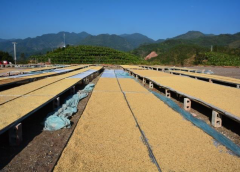
How to distinguish Nicaraguan Coffee beans from Nicaraguan Coffee Story
For the exchange of professional baristas, please pay attention to the coffee workshop (Wechat official account cafe_style) Nicaragua-segovia high mountain bean Nicaraguan coffee has been forgotten in the world in recent years, and Nicaraguan coffee is rarely seen. In fact, the growing conditions in Nicaragua are not inferior to those in Central American countries. The coffee produced is characterized by freshness and balance, which is amazing.

Yunnan is actively preparing for the establishment of a demonstration zone for the establishment of well-known brands in the national coffee industry.
Solicit clear propaganda slogans. Through extensive social solicitation and many studies and discussions, it is clear that the slogan of establishing a national coffee industry well-known brand demonstration zone is: to create a national coffee industry well-known brand demonstration zone to build the coffee capital of China to create a national coffee industry well-known brand demonstration zone China good coffee Pu'er coffee. At the same time, the information of Pu'er News Network and Pu'er Tea and Coffee Industry Bureau

How much water do you know we use to make coffee every day?
Professional coffee knowledge exchange more coffee bean information Please follow the coffee workshop (Wechat official account cafe_style) Carbonate system generally refers to the factors related to water quality: TDS, hardness (GH), pH value, buffer index (KH), metal content, especially calcium and magnesium. In order to test the use of water for brewing coffee, the above factors and their interactions must be fully taken into account when evaluating the use of water for brewing coffee.

What is the effect of water quality on coffee extraction? Is TDS as low as possible? The Ca,Mg ion concentration is
Professional coffee knowledge exchange more coffee bean information Please follow the coffee workshop (Wechat official account cafe_style) Carbonate system generally refers to the factors related to water quality: TDS, hardness (GH), pH value, buffer index (KH), metal content, especially calcium and magnesium. In order to test the use of water for brewing coffee, the above factors and their interactions must be fully taken into account when evaluating the use of water for brewing coffee.

The importance of water for brewing coffee what kind of water is used to brew coffee? what is the effect of good water quality on the quality of coffee?
In order to gain an in-depth understanding of the importance of water noodles, we must first understand the ingredients and proportion of the noodles we want. According to Paul Songer, head of the marketing department of CoffeeEnterprise, coffee is prone to brewing problems in the following situations: TDS (total dissolved solids) is higher than 250 ppm (one hundred percent).
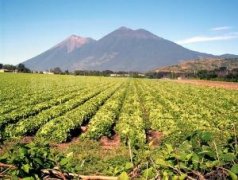
The situation of coffee industry in Vietnam and its determination to change
During the period from 2001 to 2005, the world coffee market fluctuated, and the crisis of oversupply had a very negative impact on the income of coffee growers and their related employees. In recent years, the annual supply of medium-grain coffee in Vietnam is 120-14 million bags (60 kg / bag). In this crisis, the Vietnamese coffee industry has encountered many difficulties, but it has also gained experience and clarified Vietnam.

Yunnan Pu 'er Starbucks, famous for tea, buys Yunnan Pu' er Yunnan small coffee beans
The wave of boutique coffee is changing Yunnan Pu 'er Starbucks, known for its tea, buys Yunnan Pu' er coffee in Menglian County, Yunnan Province, Pu 'er City, on the border between China and Myanmar. Shen Xuejing was a little depressed because the owner of the hill she was on told her that the batch of coffee beans she had come to taste was gone after five hours by car from Pu 'er City, 230 kilometers away. Shen Xuejing is a famous person from Shanghai

Thoughts on the Development of Coffee in Yunnan
Yunnan coffee industry has developed rapidly due to the promotion of Yunnan provincial government's ten-year plan and the stimulation of rising international market prices in the past two years: by the end of June 2011, the province's coffee planting area has reached 617000 mu. In 2010-11, despite the impact of last year's drought, the province still achieved 40, 000 tons of coffee output, of which 28400 tons were exported from raw beans.

Learn about coffee 4C Association Coffee Certification details
4C certification is a widely accepted management rule in the world, which involves the sustainable development of coffee cultivation, production, processing and other aspects of the supply chain, including social, environmental and economic principles. Coffee practitioners are required to protect biodiversity, protect all kinds of national endangered animals and plants, correctly use and handle pesticides and other chemicals, protect the natural environment and
Coffee bean certification body 4C Association Coffee Certification
4C certification is a widely accepted management rule in the world, which involves the sustainable development of coffee cultivation, production, processing and other aspects of the supply chain, including social, environmental and economic principles. Coffee practitioners are required to protect biodiversity, protect all kinds of national endangered animals and plants, correctly use and handle pesticides and other chemicals, protect the natural environment and
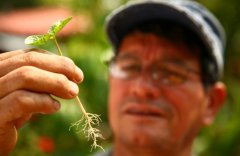
4C Coffee Certification body what is 4C Association
4C certification is a widely accepted management rule in the world, which involves the sustainable development of coffee cultivation, production, processing and other aspects of the supply chain, including social, environmental and economic principles. Coffee practitioners are required to protect biodiversity, protect all kinds of national endangered animals and plants, correctly use and handle pesticides and other chemicals, protect the natural environment and
Quality coffee bean certification organization 4C Association Coffee Certification
4C certification is a widely accepted management rule in the world, which involves the sustainable development of coffee cultivation, production, processing and other aspects of the supply chain, including social, environmental and economic principles. Coffee practitioners are required to protect biodiversity, protect all kinds of national endangered animals and plants, correctly use and handle pesticides and other chemicals, protect the natural environment and

Professional coffee knowledge popularization: what is 4C coffee certification organization?
4C certification is a widely accepted management rule in the world, which involves the sustainable development of coffee cultivation, production, processing and other aspects of the supply chain, including social, environmental and economic principles. Coffee practitioners are required to protect biodiversity, protect all kinds of national endangered animals and plants, correctly use and handle pesticides and other chemicals, protect the natural environment and
Certificate of boutique coffee 4C coffee certification
C certification is a widely accepted management rule in the world, which involves the sustainable development of coffee cultivation, production, processing and other aspects of the supply chain, including social, environmental and economic principles. Coffee practitioners are required to protect biodiversity, protect all kinds of national endangered animals and plants, correctly use and handle pesticides and other chemicals, and protect the natural environment and people.
Basic knowledge of boutique coffee 4C Coffee Certification
4C certification is a widely accepted management rule in the world, which involves the sustainable development of coffee cultivation, production, processing and other aspects of the supply chain, including social, environmental and economic principles. Coffee practitioners are required to protect biodiversity, protect all kinds of national endangered animals and plants, correctly use and handle pesticides and other chemicals, protect the natural environment and